Today: “I have forgotten my password”
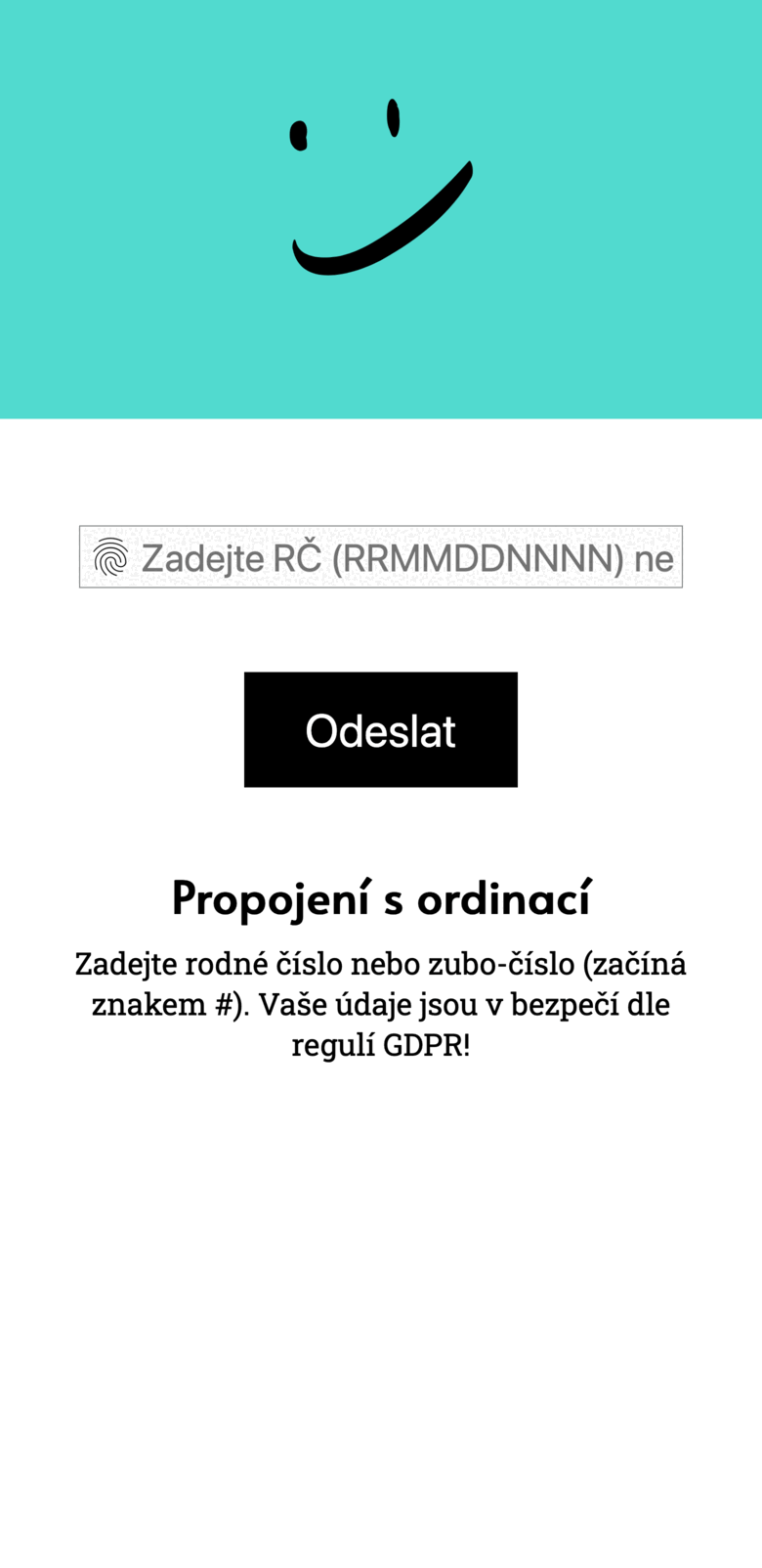
Sign in with a PIN or a fingerprint, no password
An eighty-year-old patient cannot remember her password. Every time she books she rings the surgery to say she cannot get in. The nurse enters the appointment by hand and the whole thing takes as long as it always did.
How it works
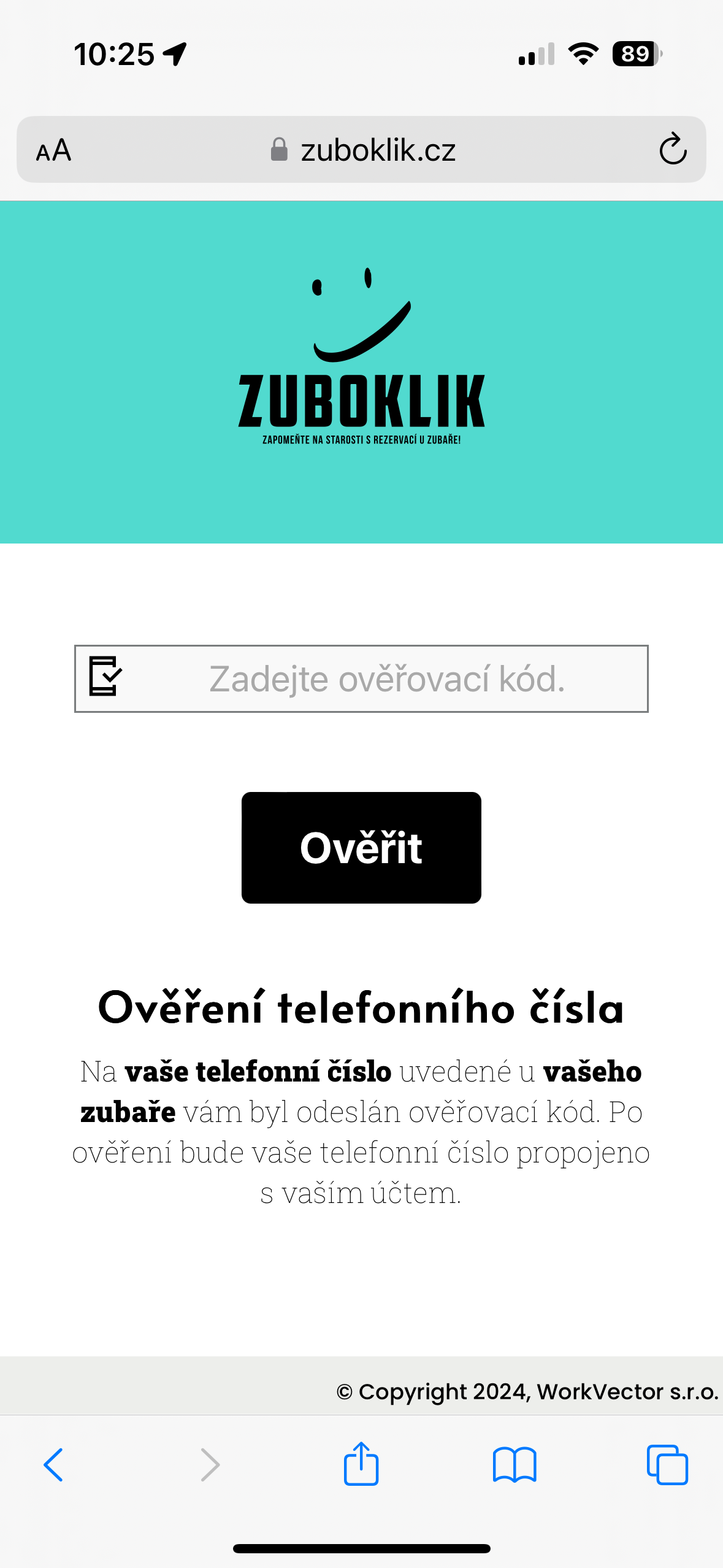
- The patient verifies once with a code from an SMS.
- Then they choose a PIN, or signing in with a fingerprint or face.
- From then on it is one touch. The fingerprint or face image never leaves the phone and Zuboklik never sees it.
The fingerprint or face image never leaves the phone — the phone itself checks it and Zuboklik has no access to it. The birth number is not a password; anyone who would rather not give one is issued a Zuboklik number instead.Last updated 22 September 2026
What you do
Nothing.
Common objections
- Is a PIN not weaker than a password?
- The PIN works on that phone only, and the first sign-in needs a code sent to the verified number.
- What if the patient loses the phone?
- On the new phone they verify again by SMS code. On the old one nothing continues without verification.
- Is the birth number used as a password?
- No. The birth number is used to find the patient record; you cannot sign in with it. Anyone who would rather not give one gets a Zuboklik number instead.